|
MARK LINDQUIST
SELECTED AVAILABLE WORKS BIOGRAPHICAL / ARTWORK INFORMATION
|
MARK LINDQUIST SELECTED AVAILABLE WORKS
(current works and early works are available)
previously available works
| CLICK ON PHOTO FOR LARGER IMAGE | ||
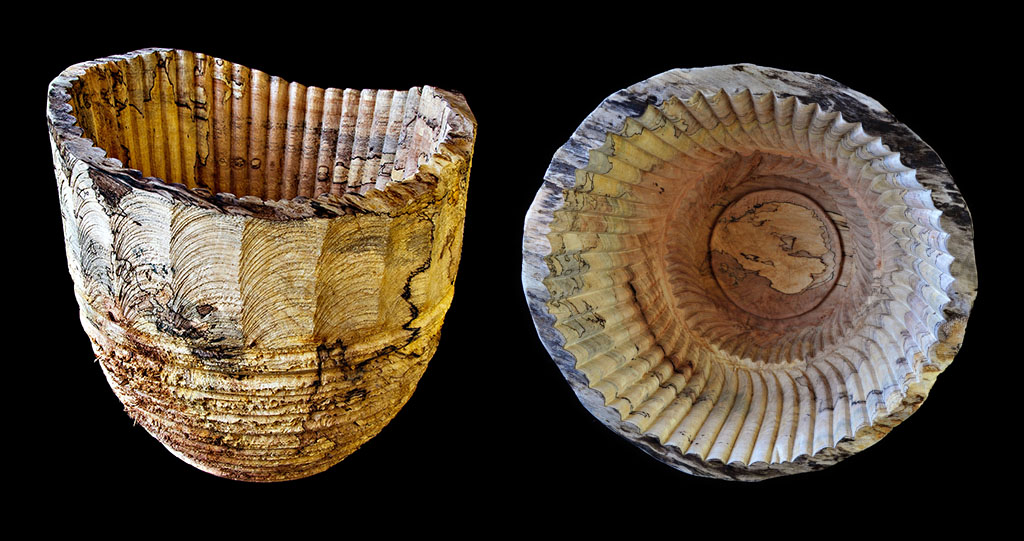 |
Mark Lindquist, Jordan Tree,
Like the River, Bowl, 2011, Spalted Sugar
Maple, 10 1/2" H x 10 1/2"D (<<Click for AAW 25 yr. anniversary catalog- PDF) |
|
 |
Mark Lindquist, Monticello
Bowl,
Tulip Poplar from Monticello, 2009, 12" H x 12" D (<<<Click for special page) |
|
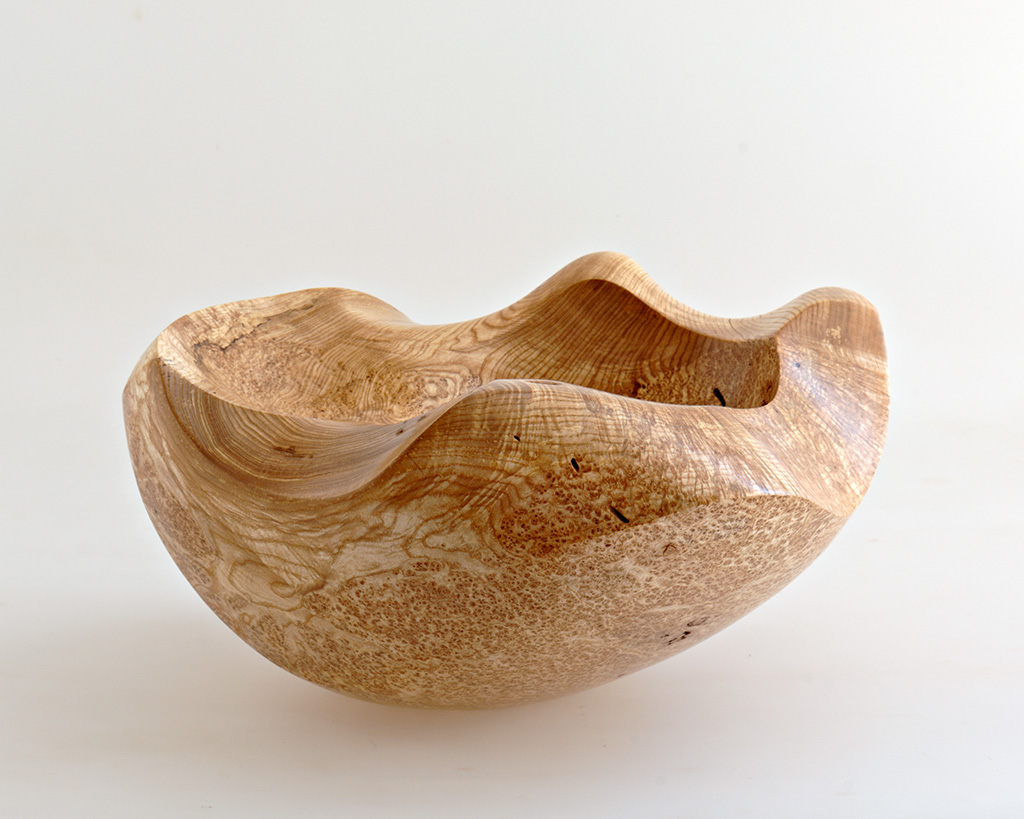 |
Mark Lindquist, Tranquility Basin, (Tranquil Form Series) 2008, Black Ash Burl, 10" H x 17" D x 19" W | |
 |
Mark Lindquist,
Tranquil Horizon, (Tranquil Form Series) 2008, Black Ash Burl,
9" H x 11" D x 15" W (<<<Click for special page) SOLD (Rocheleau Collection) |
|
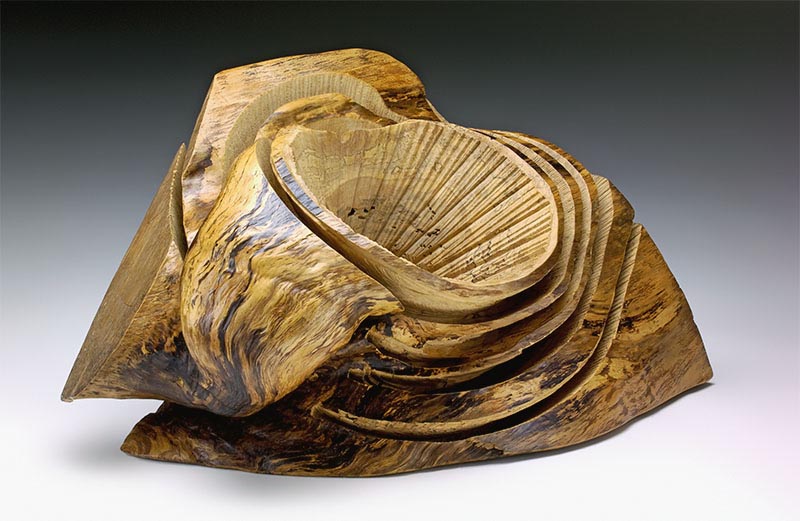 |
Artwork – MAL 2005-12 Mark Lindquist, Chambered Captive, 1992, Spalted Yellow Birch Burl, 14 1/4 H
x 30”W x 15”D
|
|
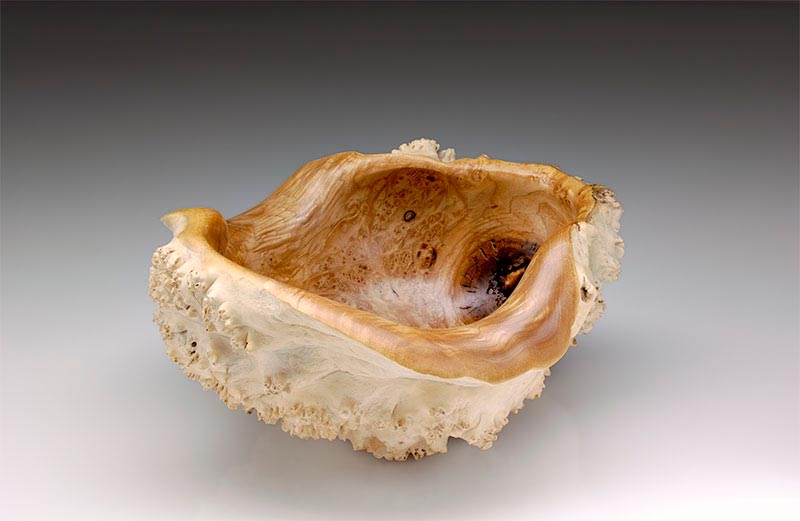 |
Artwork - MAL 2005-03 Mark Lindquist, Small Sculptural Vessel 2005-02, 2005, Maple Burl, 6 3/4”H x
14 1/2”W x 12 1/2”D
|
|
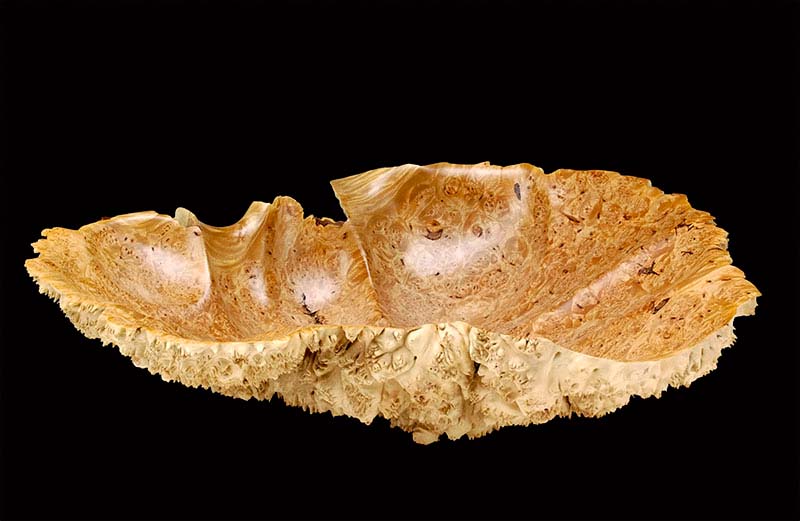 |
Artwork - MAL 2005-04 Mark Lindquist, Nature Shell I, 2004, Maple Burl, 6”H x 25”W x 18”D
|
|
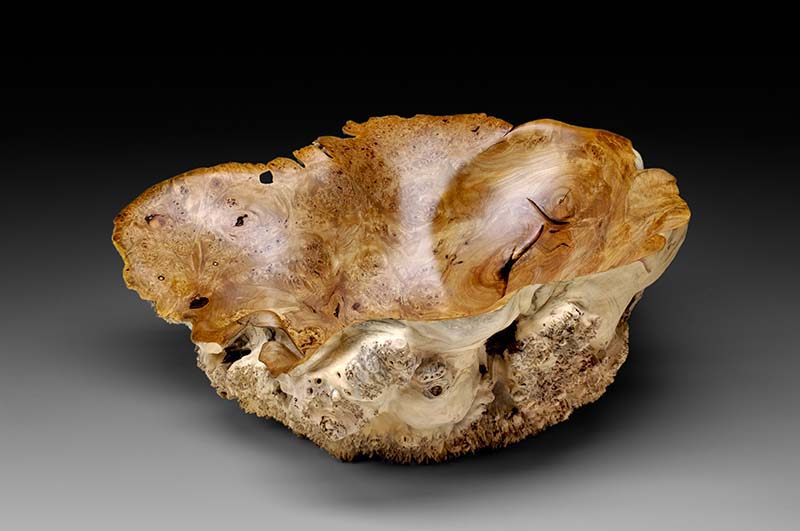 |
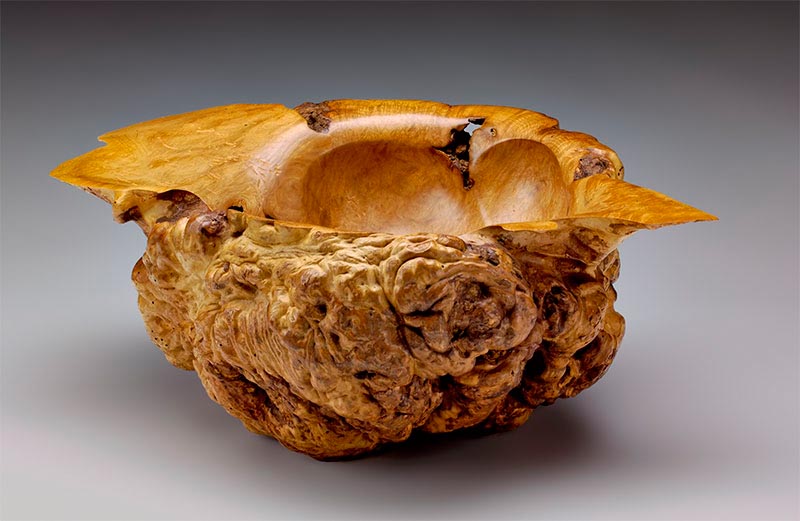
Artwork - MAL 2005-05 Mark Lindquist, Nature Shell II, 2004, Maple Burl, 8”H x 22”W x 22”D
|
|
 |
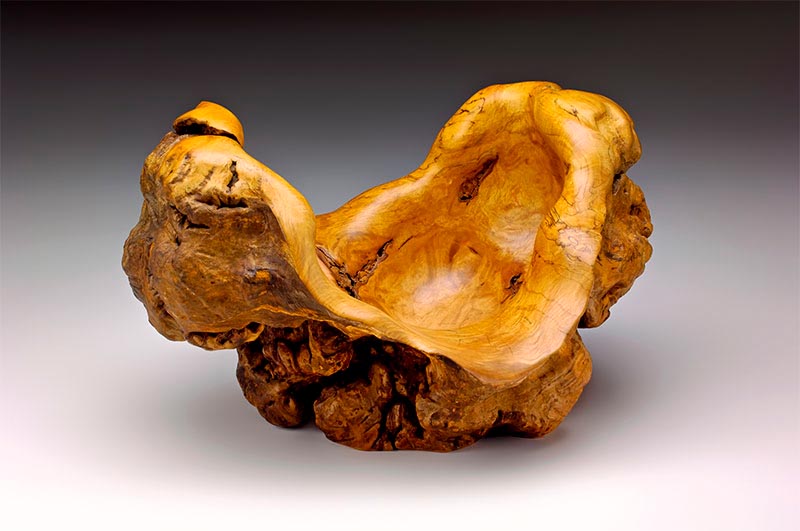
Artwork - MAL 2005-06 Mark Lindquist, Sculptural Vessel 1994 #20, 1994, Maple Burl, 7”H x 18”W x 14
1/2”D
|
|
 |
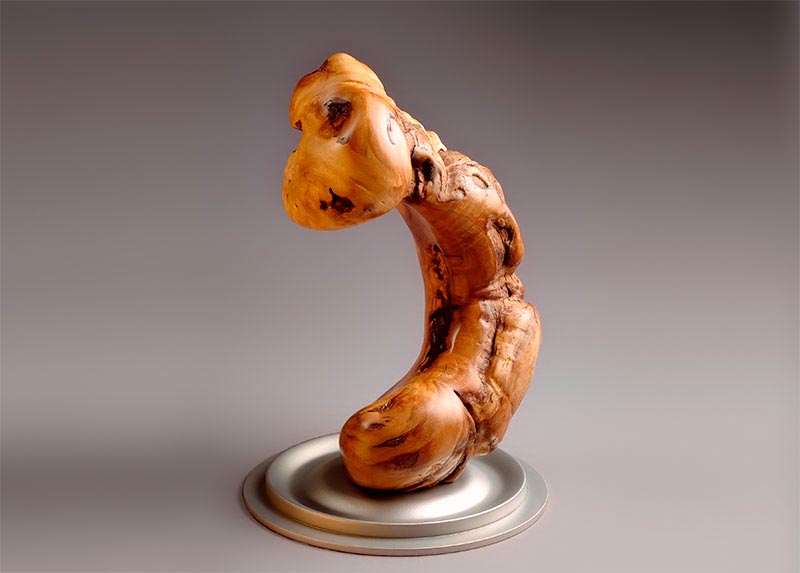
Artwork – MAL 2005-07 Mark Lindquist, Sculptural Vessel, 1979, Spalted Maple Burl, 12”H x 21”W x
17”D
|
|
 |
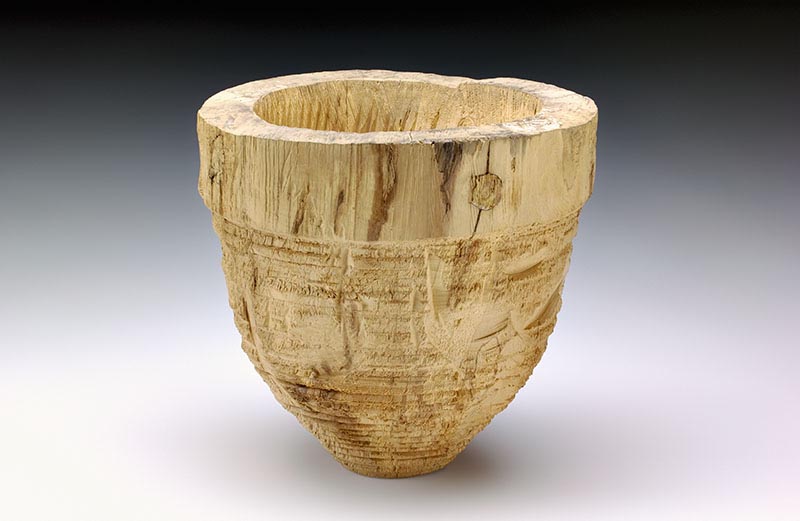
Artwork – MAL 2005-08 Mark Lindquist, Sculpture 2005 #1, 2005, Maple Burl, Aluminum, 14”H x 9”D
|
|
 |
Artwork – MAL 2005-13 Mark Lindquist, Ascending Bowl #4, 1981, Spalted Maple Burl, 11 1/2”H x 12”D
|
|
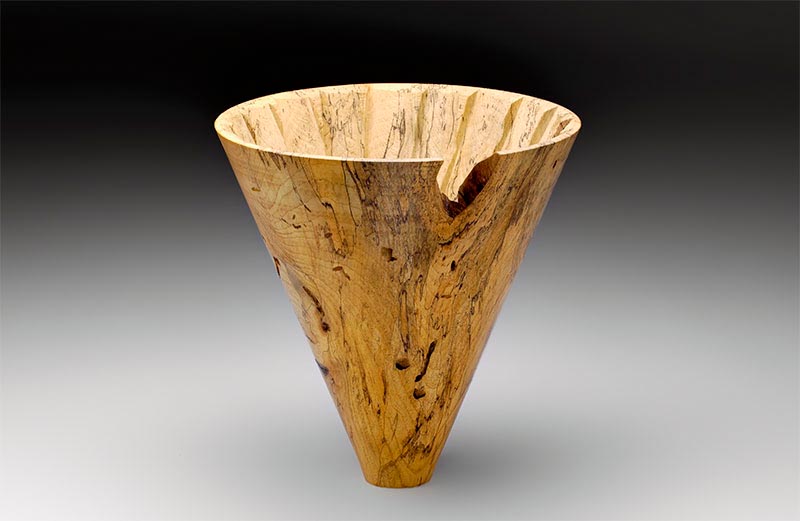 |
Artwork – MAL 2005-15 Mark Lindquist, Ascending Conical Vessel, 1994, Spalted Pecan, 16 3/4”H x
16”D
|
|
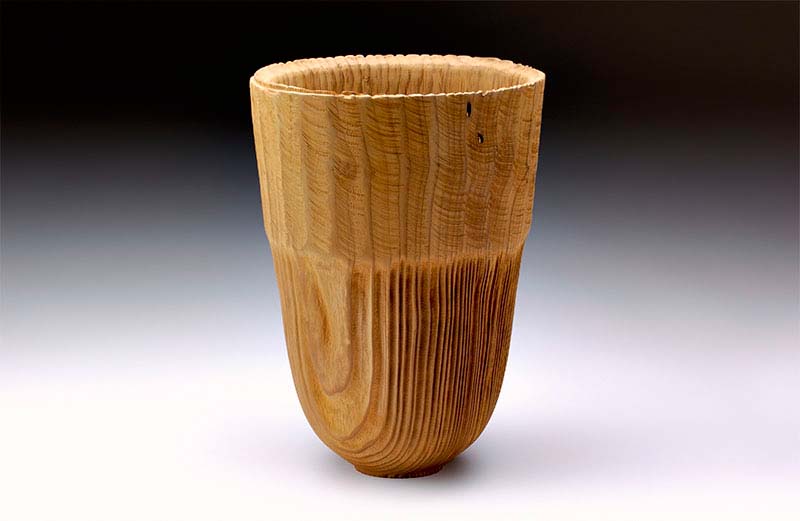 |
Artwork – MAL 2005-16 Mark Lindquist, Sands of Time, 1998, Walnut, 14 1/4”H x 10 1/2”D
|
|
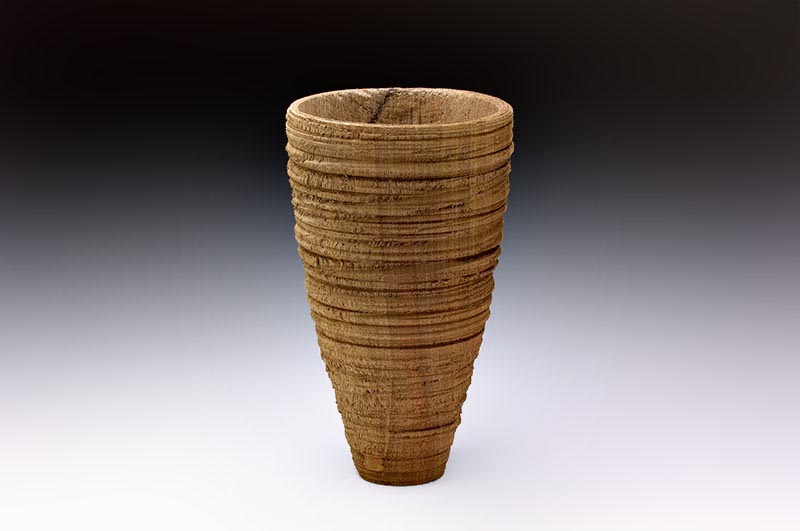 |
Artwork – MAL 2005-17 Mark Lindquist, Ascending Bowl 1998 #1, 1998, Walnut, 16”H x 9 1/2”D
|
|
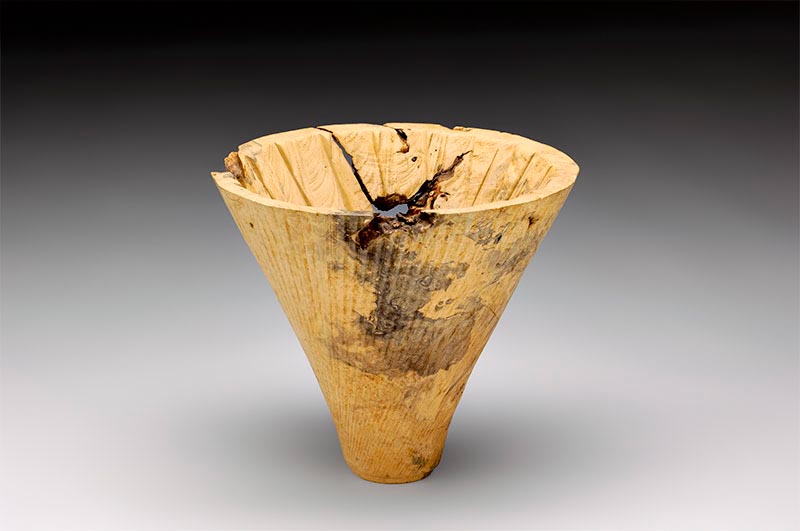 |
Artwork – MAL 2005-19 Mark Lindquist, Fluted Ascending Vessel, 1992, Buckeye Burl, 11 1/4”H x 13”D
|
|
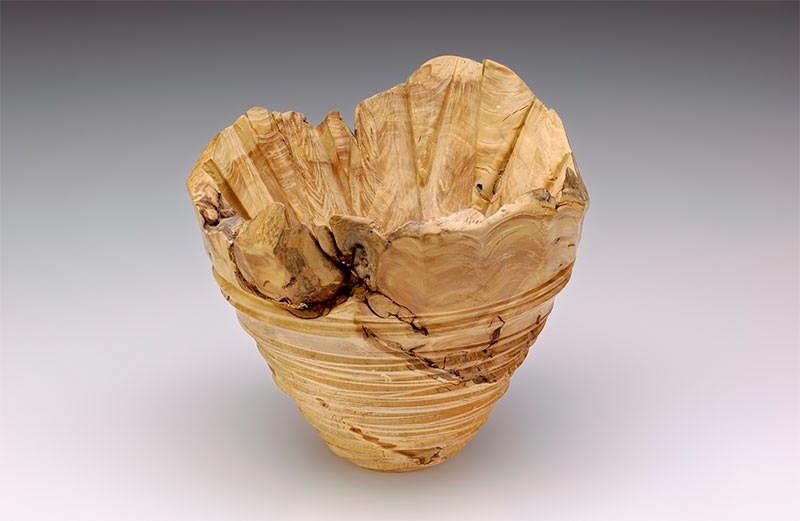 |
Artwork – MAL 2005-20 Mark Lindquist, Unsung Bowl ‘91 #1, 1991, Birch Burl, 9 1/2” H x 10 1/2” D
|
|
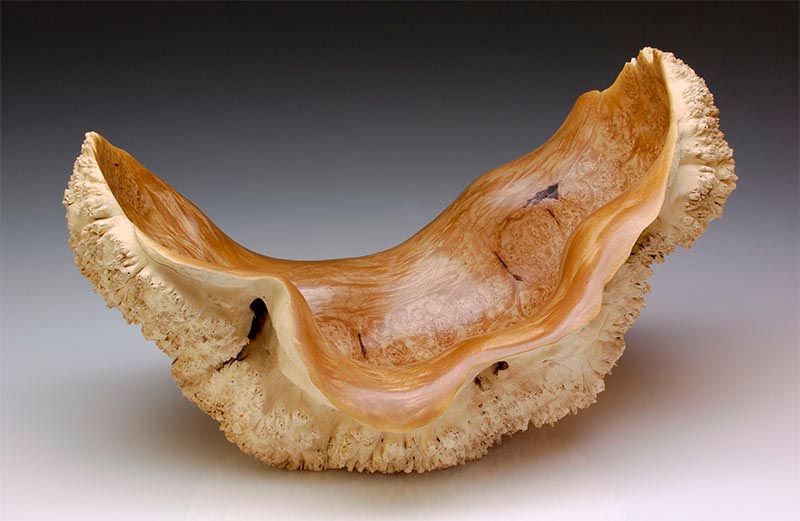 |
Artwork - MAL 2005-01 Mark Lindquist, DaVinci Bowl, 2005, Maple
Burl, 13 1/2”H x 24”W x 16”D SOLD (Torres Collection, NYC)
|
|
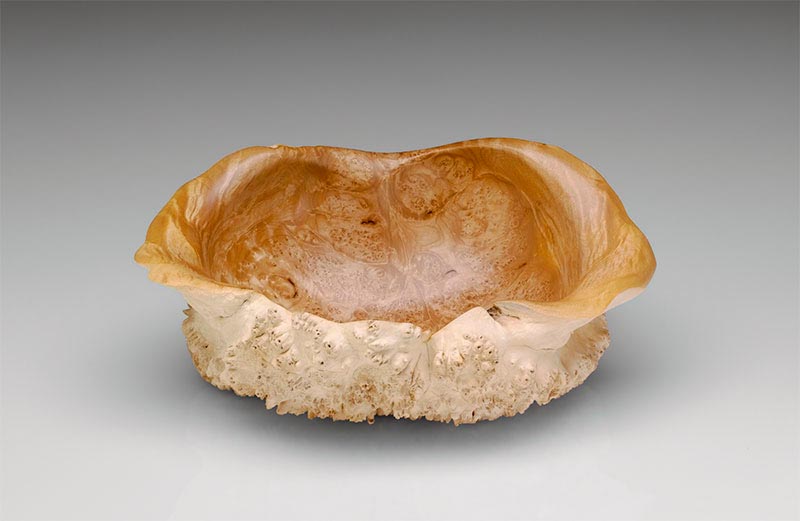 |
Artwork - MAL 2005-02 Mark Lindquist, Small Sculptural Vessel 1-2005, 2005, Maple Burl, 4 3/4”H x
12 1/2”W x 10”D
|
|
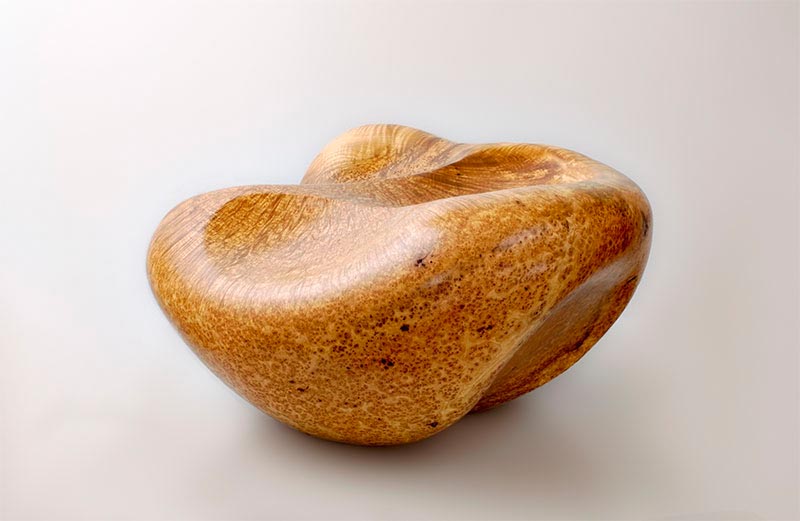 |
Artwork – MAL 2005-09 Mark Lindquist, Tranquil Form #1, 2005, Black Ash Burl, 8 1/2”H x 18 1/2”L x
16”D SOLD (Keeble Collection)
|
|
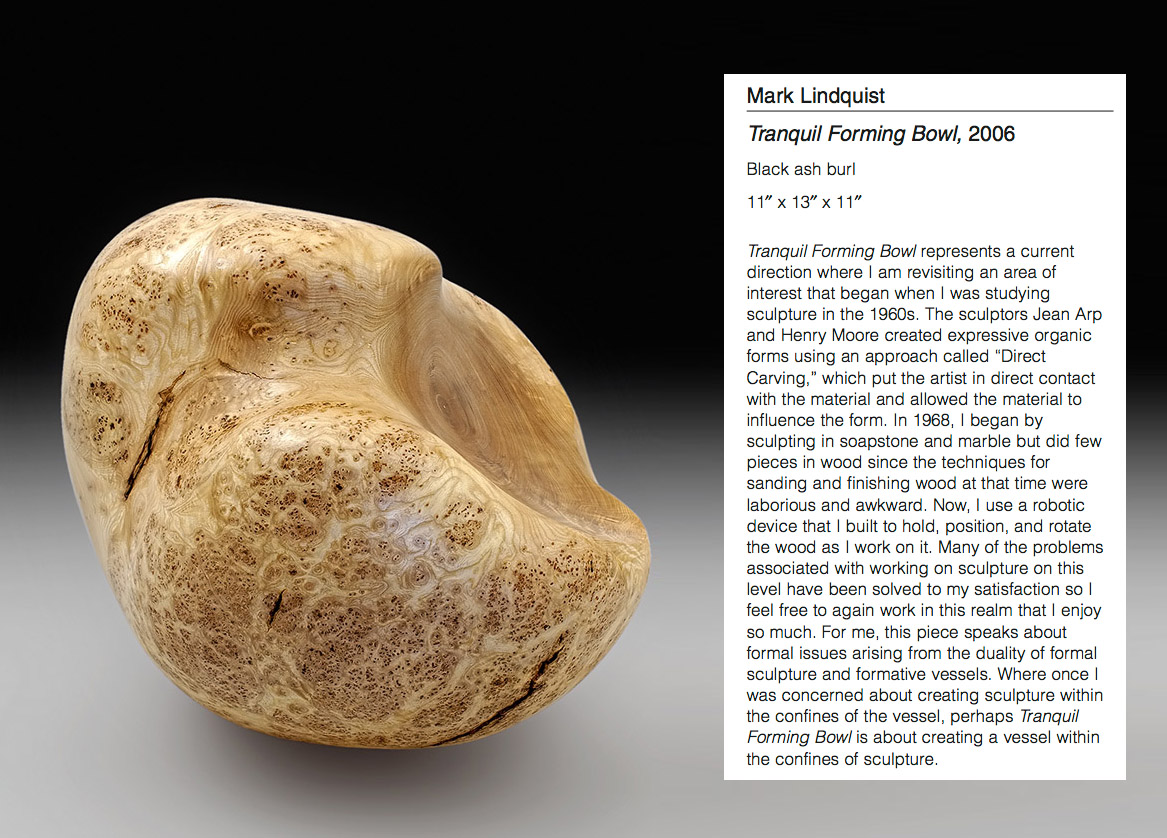 |
Mark Lindquist, Tranquil Forming Bowl, 2006, Black Ash Burl, 11”H x 13 ”L x
11”D (<<<Click for special page) SOLD (Wong Collection, Hong Kong) |
|
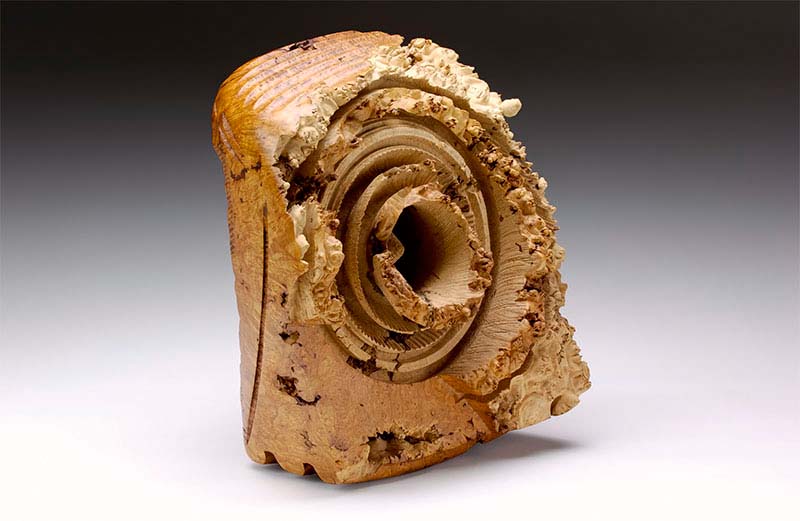 |
Artwork – MAL 2005-10 Mark Lindquist, Rockin’
Magnum Sawtooth Opus #1, 1997-2000, Maple Burl, 15 1/2”H x 13 1/2”W x 9”D SOLD (Waterbury Collection)
|
|
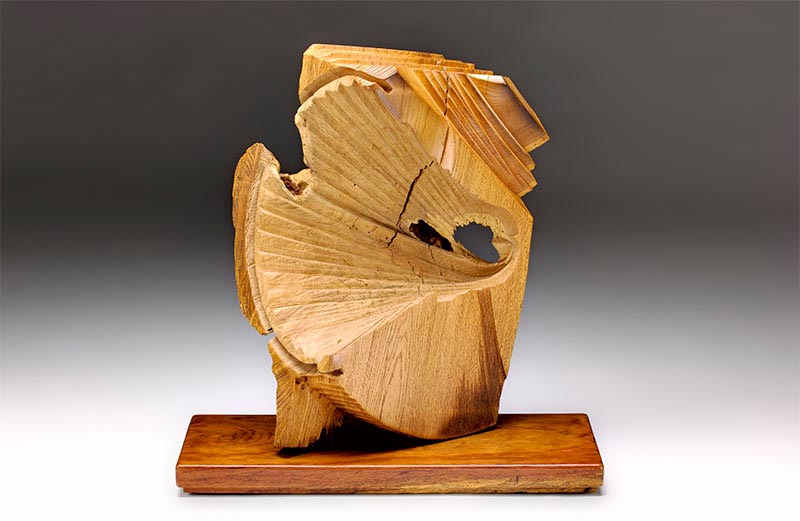 |
Artwork – MAL 2005-11 Mark Lindquist, Mega Axial Mystery Tour, 1990-2000, Oak Burl, 23”H x 22”W x
11 1/2”D SOLD (Wong Collection, Hong Kong)
|
|
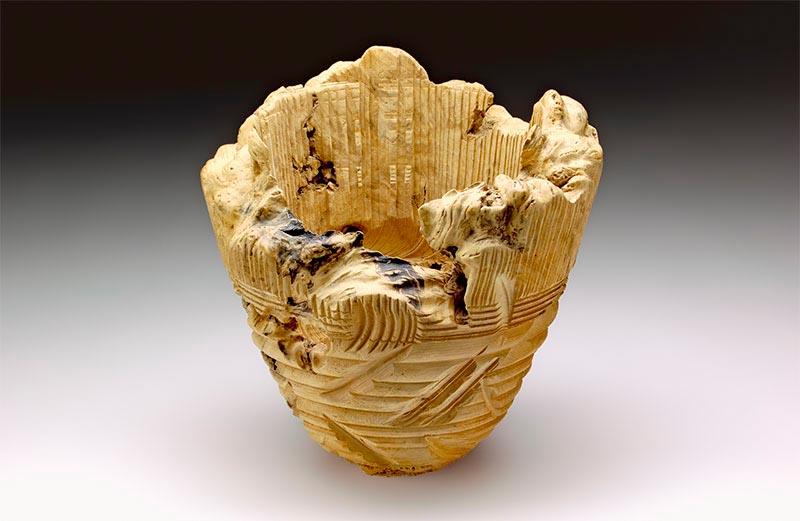 |
Artwork – MAL 2005-14
Mark Lindquist, Unsung Bowl Ascending #3, 1982, Spalted Maple Burl, 17”H x 16 1/2”H SOLD (Currier Museum of Art - museum purchase)
|
|
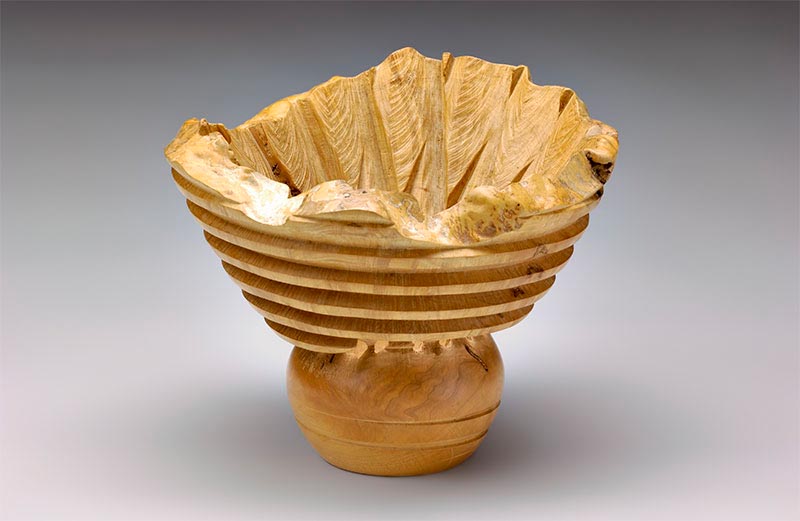 |
Artwork – MAL 2005-18 Mark Lindquist, So Long Frank Lloyd Wright Bowl, 1994, Maple Burl, 8 1/2”H x
10 1/2”D SOLD (Victoria and Albert Museum via D. Brecker)
|
|
|
Mark Lindquist Biographical Information Mark Lindquist has been an innovator and leader in
the field of woodturning/sculpture since the late 1960s. Lindquist's thirty-plus years of
contributions to contemporary art have altered the direction of woodturning and
sculpture worldwide. The Renwick Gallery of the
National Museum of American Art, Smithsonian Institution, honored Lindquist with
a retrospective exhibition in 1995. Entitled “Mark Lindquist: Revolutions in
Wood,” this exhibition remains the only one-person show in the field of studio
woodturning in the history of the institution. Ken Trapp,
curator-in-charge of the Renwick Gallery of the Smithsonian American Art
Museum, says of Lindquist's career: “In the early 1970s, Mark
Lindquist’s exploration of Japanese ceramic traditions and modern sculptural
ideals through the medium of woodturning elevated this traditional craft into
an art form expressive of the cultural and ideological developments of the
times. He continues to transcend the ever-expanding limits of woodturning,
adding to the richness of the discourse within this significant American art
movement.” Mark Lindquist's sculpture
has evolved out of his art historical studies and his mastery of, and
experimentation with, the craft of woodturning. Beginning in the late 1960s, he
developed many of the techniques and aesthetic concepts which underlie the
current studio woodturning movement, including the use of flawed materials
(especially spalted wood), the application of modern abrasive technology, and
the integration of Japanese ceramic sensibilities. Through exhibiting, writing
and teaching, Lindquist was instrumental in bringing about the acceptance of
the craft of woodturning as a serious art form, and inspired and nurtured the
followers of this fledgling movement. Echoes of Mark's innovative turning
concepts -- the natural top bowl, the celebration of the tool-mark on the surface
of the bowl, the captive bowl, the bowl as landscape, and many others --
continue to reverberate throughout today's turning world. In the late 1970's,
having achieved national
acceptance for his work (including acquisition by the Metropolitan Museum of
Art in New York City), Lindquist withdrew from active participation in the
craft world, and began a broader exploration into contemporary and historical
sculptural themes, such as the totem, Japanese Heian
wood sculpture, and the woodblock print. Lindquist developed a
system for coupling the chainsaw to the lathe, and began producing massive, yet
lyrical, sculptures that, while speaking directly of our machine age, make a
timeless statement about the relationship between man and nature. Using retrofitted obsolete machinery from the
height of the industrial revolution, Lindquist celebrates the “accidental”
rhythms and patterns created by each machine's idiosyncrasies, just as he
celebrates the aesthetic value of the flaws in his material. Using his lathe/chainsaw and other innovative
technologies as well as traditional sculpture methods, Lindquist has developed
several continuing series of sculptures, including his “Totemic Series,” “Captive
Series,” and “Ichiboku Series.” Lindquist’s works have
been exhibited in galleries and museums throughout the United States and
Europe, and have been acquired by the Art Institute of Chicago, the
Metropolitan Museum of Art, the Mint Museum of Craft and Design in Charlotte,
the White House Collection of American Craft, the Dallas Museum of Art, the
Boston Museum of Fine Arts, the Philadelphia Museum of Art, the High Museum in
Atlanta, the National Museum of American Art of the Smithsonian, the Detroit
Institute of Arts, Bank of America headquarters in Charlotte, and numerous
other public and private collections.
|
|
Mark Lindquist Pieces Available
Exclusively Through Lindquist Studios Gallery Photos: Mark Lindquist - Lindquist Studios
LINDQUIST
STUDIOS 311 Glory Rd. Quincy, FL 32352 850.875.9809
|
PURCHASING INFO | HOME | GALLERY DIRECTORY | E-MAIL US